
Design-Build Electrical Contractor in Charlotte, NC
Design-build electrical services that bring planning and field execution into one coordinated process for commercial projects in Charlotte.
- Certified Commercial Electricians
- NEC Code Compliance & Safety
- Turnkey Electrical Solutions
- Design-Build Expertise
Request a Free Quote
Tell us about your commercial electrical project, and we’ll get back to you soon.
What Design-Build Electrical Delivery Means for Your Project
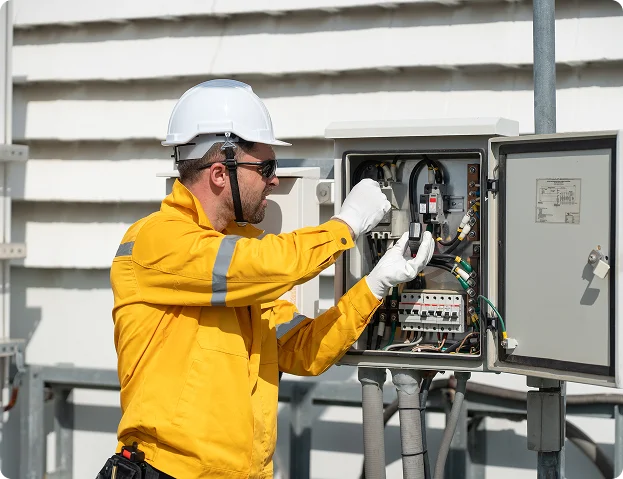
Design-build brings electrical planning and field execution into the same coordinated process earlier in the project. For commercial owners, developers, general contractors, and project teams, that can make it easier to address scope, routing, equipment location, access, and sequencing while decisions are still flexible.
A traditional plan-and-spec project typically brings the electrical contractor in after design is substantially complete. In design-build, construction input comes earlier. Exact professional design and engineering responsibility depends on the project and contract, so those roles should be confirmed before work begins.
When Design-Build Is a Strong Fit
An integrated design-build approach is ideal when electrical decisions trigger changes in other trades. It is especially useful for:
- New commercial construction, where the electrical system shapes layout and placement of equipment
- Substantial property renovations and facility expansions that must work around existing conditions
- Complex tenant improvements with tight space, ceiling, or deadline constraints
- Projects where electrical choices affect other trades
In each of these, the electrical scope is tied to decisions other people on the project are making at the same time. Bringing electrical input into those decisions early is what design-build is for.
It is not always necessary. If you have a small, clearly defined electrical scope with completed drawings and little left to coordinate, a simpler arrangement may serve you well. We would rather say so up front than sell you a process you do not need.
If what you mainly need is construction execution from finished plans, start with our commercial electrical construction page.

Why Early Coordination Can Improve the Project
Design-build does not guarantee a result. It changes how and when problems get seen. For a deeper look, read our overview of design-build project benefits.
Fewer Handoffs
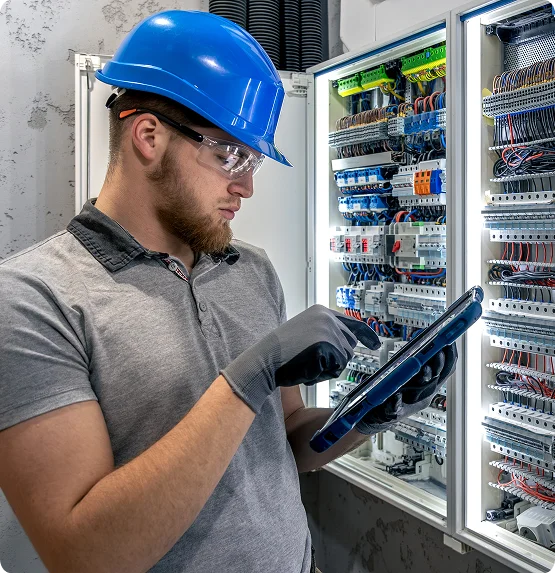
With fewer handoffs, design intent and field considerations can be discussed within the same coordinated process. This gives the project team an earlier opportunity to address questions about scope, routing, access, and installation before they reach the field.
Earlier Constructability Questions
Questions about access, routing, and equipment placement can be addressed while changes are still easy, not after materials are ordered or walls are finished. Solving a routing issue on paper is usually much easier than fixing it on site.
Earlier Scope Visibility
Cost drivers and open scope items can come to light sooner, which may help your team make better-informed decisions about scope, options, and priorities.
More Deliberate Sequencing
Bringing electrical input into the schedule early can help the work fit around other trades and long-lead items, so fewer tasks land on top of each other.
Our Design-Build Electrical Process
Project Discovery & Scope Review
Coordinated Electrical Planning
Scope & Budget Alignment
Construction & Coordination
Testing, Closeout & Handover
Why Choose Carolina Commercial Electric for Design-Build
Project-Team Coordination
Carolina Commercial Electric works with property owners, architects, engineers, and general contractors so electrical planning can stay connected to the broader commercial project. The focus is on practical questions such as routing, access, equipment, sequencing, and field coordination.
Scope Reviewed Early
We review project goals, available plans or concepts, known electrical needs, schedule, and project constraints before construction starts. That gives the project team a clearer place to discuss assumptions, scope questions, and decisions while they are still easier to address.
Planning Through Closeout
The agreed electrical work can carry from planning and coordination through installation, testing or inspection support, and closeout. Exact responsibilities and deliverables depend on the project and contract, so they should be confirmed before work begins.
Quality Workmanship
We take pride in delivering reliable electrical systems designed for long-term performance and operational efficiency.
On-Time Project Delivery
Our streamlined design-build process helps reduce delays and keeps projects moving forward according to schedule.
Management & Coordination
Our team provides dedicated project management and seamless coordination throughout every phase of the electrical project.
Our Commitment to Quality & Compliance

Code-Compliant Installations
Every project is completed in alignment with NEC requirements and local regulations.
Quality Assurance Reviews
Detailed inspections and testing throughout design and installation phases.
Energy-Conscious Solutions
Smart electrical planning that supports operational efficiency and long-term savings.
Risk Reduction
Early coordination and proactive issue resolution to minimize delays and costly changes.
Client Testimonials
Read what clients have shared about working with Carolina Commercial Electric.
“Todd and Tyler did excellent work on our project in Rock Hill. Communication was clear from the first conversation through completion, and they took the time to answer our questions. Were very pleased with our experience with Carolina Commercial Electric.”
Frank Hartmann
“Great experience with Todd and Tyler! Carolina Commercial Electric handled our new office electric in Gastonia with care and professionalism. We especially appreciated communication and attention to detail. Happy to recommend them to other local businesses.”
Emily Dawson
“Carolina Commercial Electric Was Awesome with their communication, Installation, and their workers were 2nd to none!!!! Highly recommend Them for any Electrical Job!!!”
Joe Elliott
Frequently Asked Questions
What is a design-build electrical contractor?
This kind of contractor brings electrical planning and installation together in one coordinated process, rather than joining only after the design is done. Exact roles vary by project and contract, so it is worth confirming who handles each part of the work.
How is design-build different from traditional plan-and-spec electrical construction?
In plan-and-spec, the design is substantially complete before the electrical contractor builds. In design-build, construction input comes in earlier, while decisions about routing, equipment, and sequencing are still flexible. The trade-off is that your team needs to be involved early, too.
When is design-build a good fit for a commercial electrical project?
It works best when electrical decisions affect layout, equipment, ceiling and space coordination, or other trades of the project. New construction, major renovations, expansions, and complex tenant improvements are common examples. The more the electrical scope depends on other decisions, the stronger the case. For a small scope with finished drawings, a simpler approach may be enough.
Who is responsible for electrical design and engineering on a design-build project?
That depends on the project and the contract. Professional design and engineering responsibility can be structured in different ways. Where licensed engineers are involved, your project team should know who they are and how they fit into the schedule. Ask early, and make sure the agreement states clearly who handles what.
Can design-build help with project cost or schedule?
Early coordination can help identify budget constraints, scope questions, and scheduling conflicts before they become major issues, giving your team time to adjust. While this does not guarantee lower costs, faster timelines, or no change orders, it provides greater control. Results depend on project requirements and early team involvement.
What information should I provide for a design-build electrical quote?
Share your project location, project type and use, plans or concepts if you have them, the main electrical scope or goal, your target schedule, and key coordination constraints. Rough information is fine. We can work with what you have and help identify what is missing. The sooner we understand your constraints, the more useful our first response can be.Share your project location, project type and use, plans or concepts if you have them, the main electrical scope or goal, your target schedule, and key coordination constraints. Rough information is fine. We can work with what you have and help identify what is missing. The sooner we understand your constraints, the more useful our first response can be.
Plan a Design-Build Electrical Project in Charlotte
Share your project location, project type and use, available plans or concepts, electrical scope or goals, schedule, and key coordination constraints. Rough information is enough to start a useful design-build conversation.