Commercial electrical projects can become harder to manage when design and construction are treated as separate handoffs. Coordination issues may surface late, constructability questions can remain open longer than expected, and long-lead equipment can affect the schedule if it is not considered early.
Design-build electrical projects bring design and installation input together sooner, which can improve coordination, planning, and scope visibility. That does not mean every project will cost less or finish faster. Results still depend on the project scope, owner decisions, site conditions, permitting, procurement, and execution.
What Is Design-Build Electrical?
Design-build is a project delivery approach, not a type of wiring or electrical system. The Design-Build Institute of America describes design-build as a model in which design and construction services are delivered under one contract with a single point of responsibility. In practical terms, the model is intended to bring design and construction thinking together earlier instead of treating them as isolated phases.
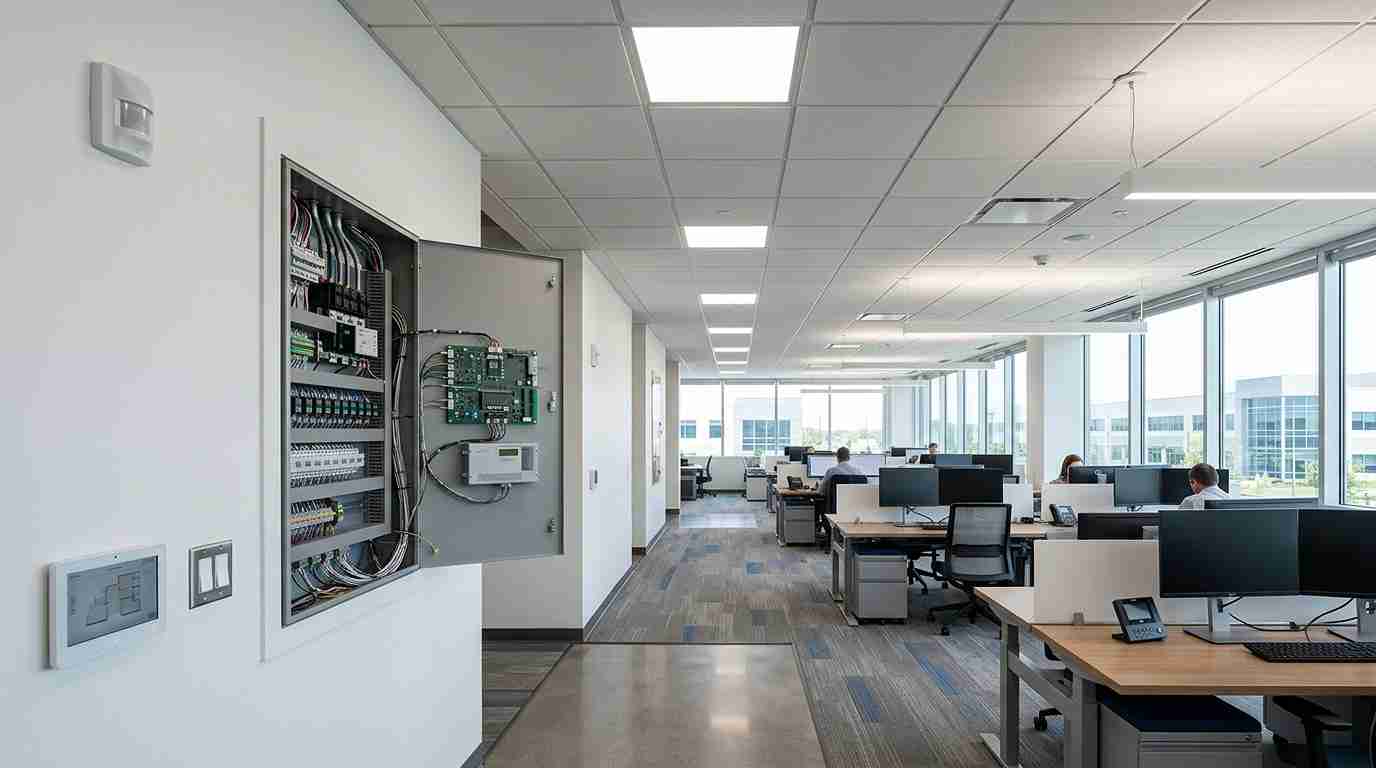
For an electrical project, that earlier coordination can help the project team consider distribution, lighting, controls, equipment locations, routing, access, and installation needs while design decisions are still being developed.
In a traditional design-bid-build approach, construction input generally enters later, after much of the design has already been developed. Design-build creates an opportunity for installation considerations to be part of the conversation sooner.
To see how Carolina Commercial Electric approaches this type of work, explore our design-build electrical services.
How Design-Build Can Improve Efficiency
The potential value of design-build comes from earlier collaboration and better information flow. The benefit is not a guaranteed result. It comes from giving the project team more opportunities to identify questions, coordinate decisions, and understand the electrical scope before installation is underway.
Earlier Electrical Input
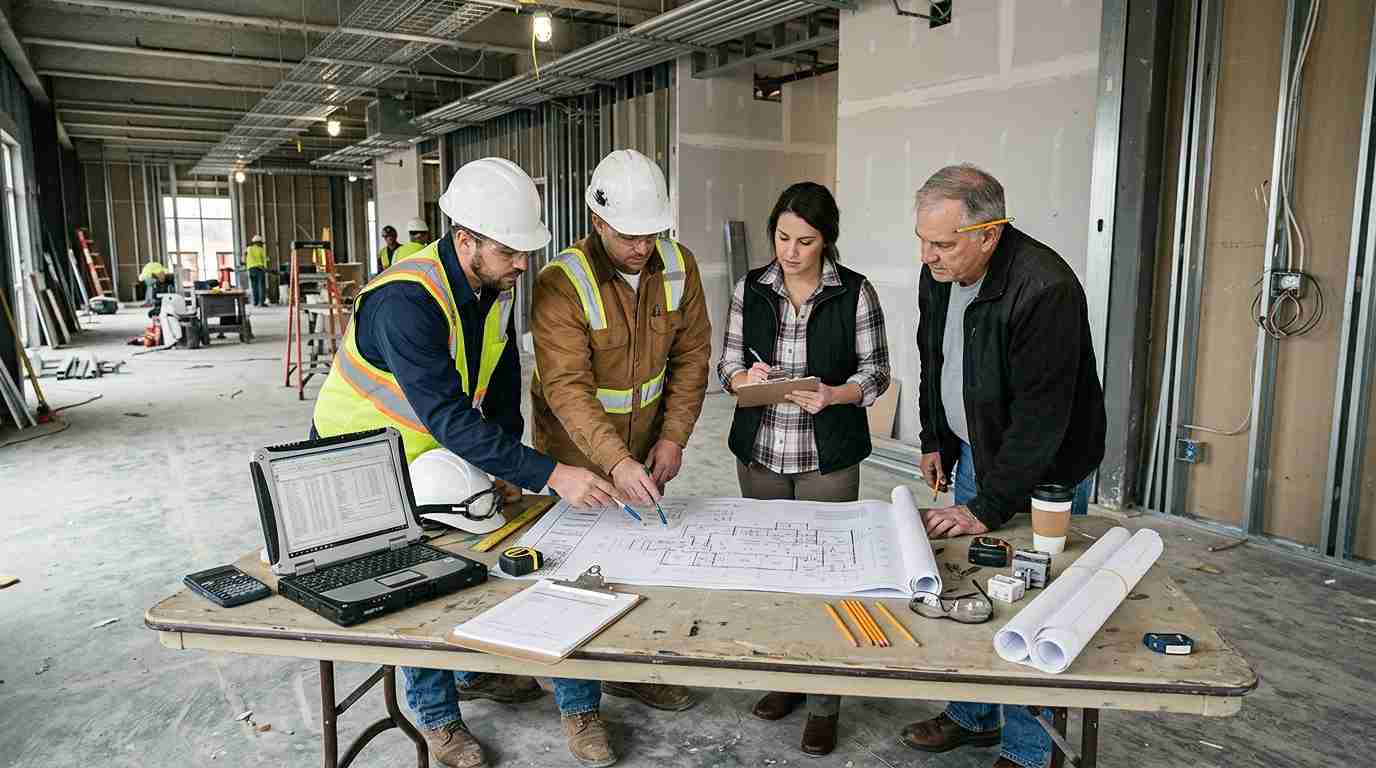
Early electrical input during preconstruction can help identify questions about conduit routing, equipment access, panel locations, installation sequencing, and coordination with other building systems before field work begins.
When those questions are raised while the design is still developing, the project team may have more options for resolving them. That can make it easier to address constructability concerns before they become late design revisions or field changes.
Fewer Design-to-Installation Handoffs
When design and installation are handled by separate teams, questions and clarifications may pass through several people before they are resolved. Each handoff creates another point where information can be interpreted differently.
A design-build approach can reduce some of those handoffs by keeping design and installation input more closely coordinated. How much that helps will vary by project, but the goal is a clearer connection between what is being designed and what will be built.
Better Scope and Budget Visibility
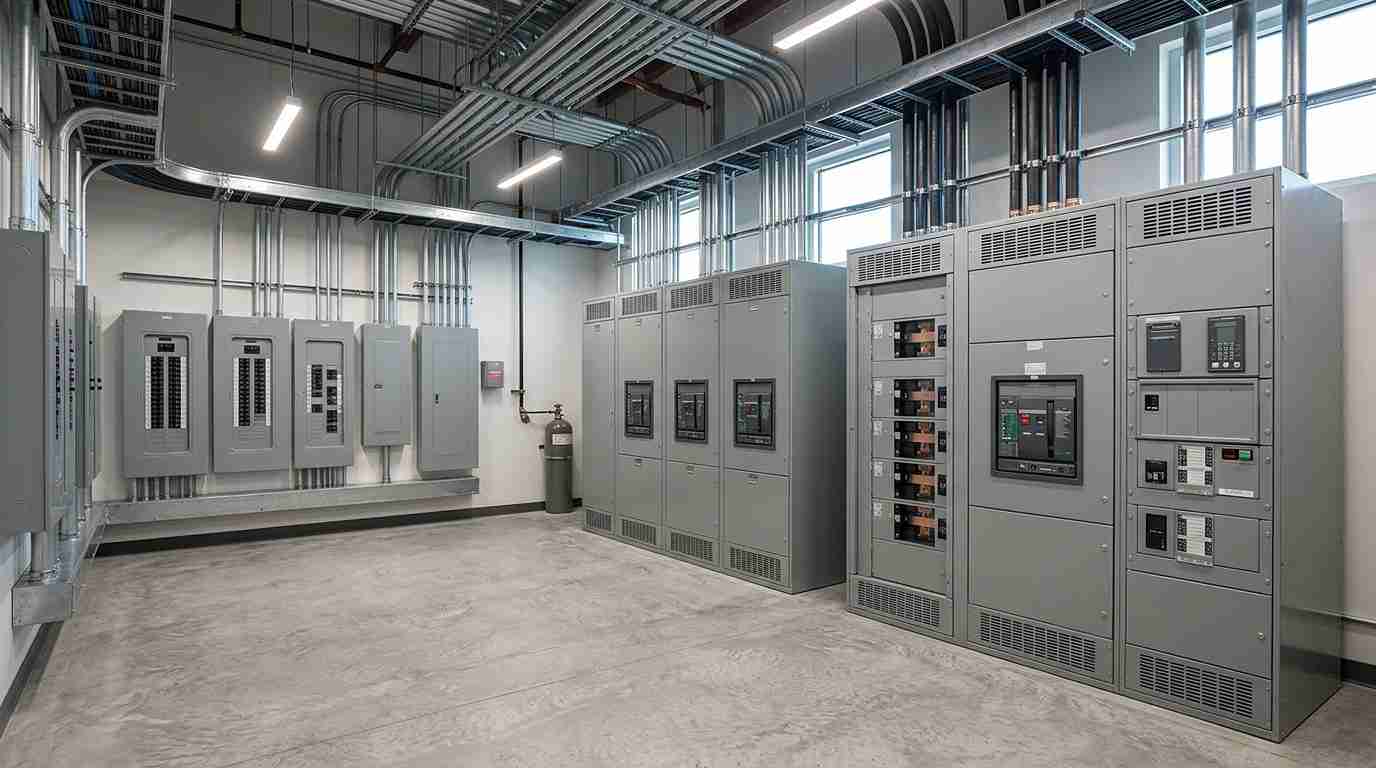
Earlier coordination can help identify important electrical scope and cost drivers while the project team still has time to evaluate options. Those may include service requirements, switchgear, lighting controls, equipment needs, routing constraints, or long-lead items.
This does not create a fixed price or eliminate change orders. It can, however, give owners and project teams better information earlier in the budgeting process, when scope decisions may be easier to discuss and adjust.
Better Schedule Coordination
Design-build can allow electrical design, procurement, and installation planning to be coordinated earlier. When the team has visibility into equipment lead times, access needs, sequencing, and installation requirements during design, the project schedule can be planned more deliberately.
Some equipment packages or site activities may be able to move forward earlier, depending on the project. Actual schedule improvements still depend on permitting, procurement, site conditions, owner decisions, and execution.
When is Design-Build a Good Fit?
Design-build can be a strong fit when electrical decisions affect other parts of the project. New commercial construction is one example because equipment locations, routing, ceiling space, and distribution needs can influence the broader building plan.
Major renovations, complex tenant improvements, and facility expansions may also benefit when electrical work must be coordinated with existing conditions, other trades, or new equipment.
It may offer less value on a small, clearly defined project where the design is already complete and little coordination remains. The more interaction there is between electrical decisions and the rest of the project, the more useful an integrated delivery approach may become.
If your main need is construction execution for a new build or major expansion, see our commercial electrical construction service page.
What Design-Build Does Not Solve
Design-build is a delivery approach, not a guarantee against changes, delays, or added cost. Owner decisions can still affect scope and timing. Existing site conditions may create new questions, especially in renovation work. Permits and inspections still follow the requirements of the applicable authority.
Procurement constraints and equipment availability can affect the schedule, and changes requested during the project can still affect cost.
The practical advantage is earlier coordination and better visibility, not certainty. A strong design-build process gives the team a better opportunity to surface important information sooner, but the project still has to respond to real conditions and decisions as they develop.
Questions to Ask a Design-Build Electrical Contractor
Not every design-build electrical contractor structures the work in the same way. Before choosing a team, ask questions that clarify responsibility, communication, and how the project will move from planning into construction:
- Who is responsible for the design, and how is that responsibility defined in the contract?
- How are scope and changes documented, and who approves them?
- How is estimating handled during early planning, and when is pricing updated?
- How will the electrical team coordinate with the general contractor, other trades, and our team?
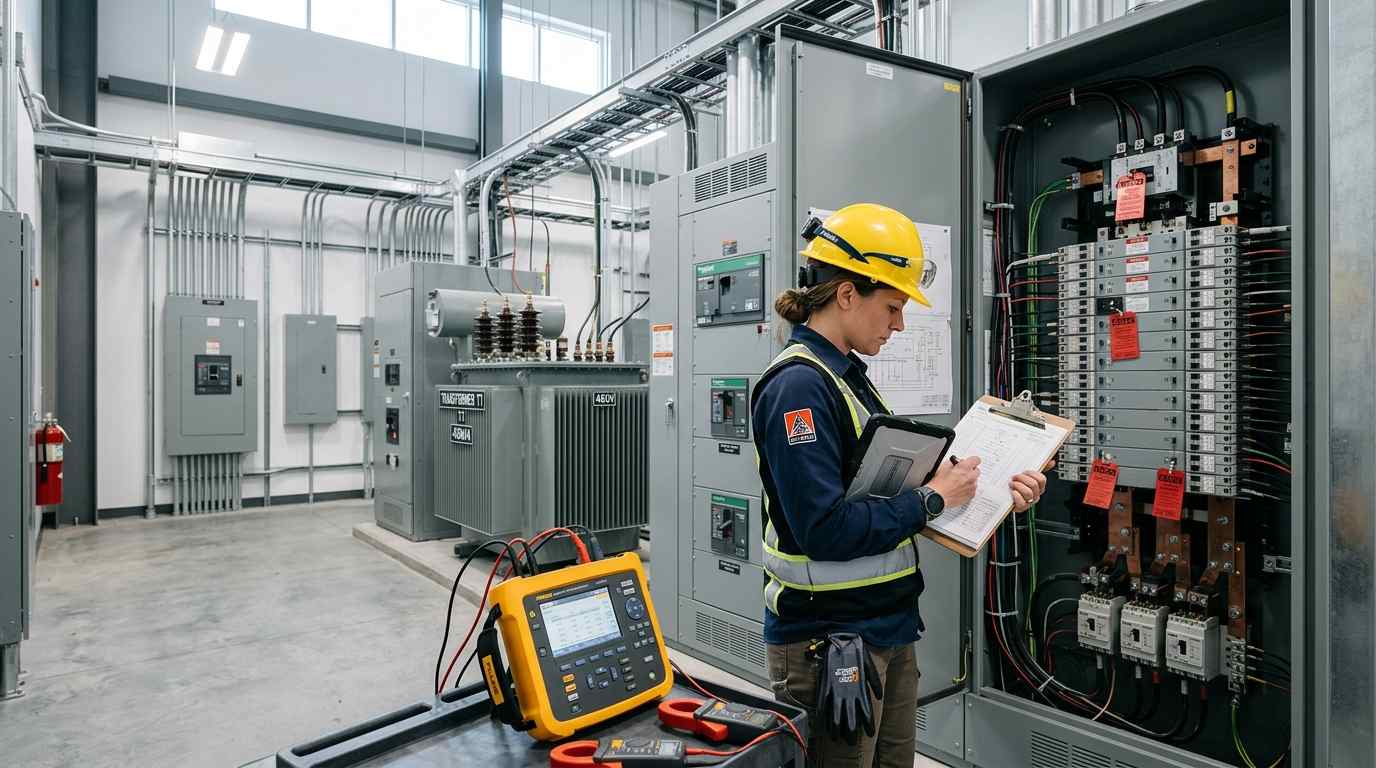
- What testing and handover steps are included at the end of the project?
- Who will be the day-to-day point of contact?
- If professional engineering is included, who is responsible for it, and how is that role documented?
Clear answers help you understand where responsibilities sit, how decisions will be communicated, and what is included in the electrical scope before work begins.
Discuss Your Design-Build Electrical Project
Projects that require significant electrical coordination can benefit from bringing electrical input into the process earlier and defining the scope clearly. If you are comparing delivery approaches, start by reviewing how the electrical work will interact with the rest of the project, who will own each responsibility, and how design and installation decisions will be coordinated.
Learn more about our design-build electrical services, then share your project details so the team can help determine the appropriate next step.