Commercial electrical systems have to keep up with the way a facility changes. New equipment, renovations, added work areas, and shifts in how a building is used can all change what the electrical system needs to support. At the same time, recurring breaker trips, lighting problems, or unexplained power issues may signal that something deserves a closer look.
Those signs do not automatically mean the building needs a major upgrade. The same symptom can have more than one cause. A qualified electrical professional should determine whether the right next step is maintenance, a targeted repair, or a broader commercial electrical system upgrade based on the facility’s actual conditions and planned needs.
Upgrade, Repair, or Maintenance: Start With the Right Question
Not every electrical issue calls for new infrastructure. Commercial electrical maintenance focuses on preventive attention, recurring inspections, testing, and ongoing support for systems that are already in service. Repair work addresses an active fault or failed component. The appropriate repair depends on what is causing the problem and the surrounding electrical conditions.
An upgrade is different. It changes capacity, components, or electrical infrastructure to support current or future facility needs. That could become relevant when a business adds equipment, expands, changes how a space is used, or discovers that the existing system no longer fits the project. Starting with an assessment helps the team define the problem before deciding which path makes sense.
Common Signs That Deserve Professional Evaluation
The following conditions can be reasons to have a commercial electrical system evaluated. They are not diagnoses on their own, and they do not prove that an upgrade is required.
Frequent Breaker Trips
A breaker that trips once may be responding to a temporary condition. If the same breaker or related circuits trip repeatedly, the pattern deserves professional attention. Recurring trips can have several causes, including circuit, equipment, or load-related conditions. The goal of an evaluation is to understand what is happening before assuming the breaker, panel, or wider system needs to be replaced.
Flickering, Dimming, or Inconsistent Lighting
Lighting that repeatedly flickers, dims, or behaves differently across parts of a facility can have more than one cause. If the problem is widespread, recurring, or appears when facility loads change, professional evaluation can help determine whether the issue is isolated or connected to a broader electrical condition.
Heat, Burning Odors, or Visible Damage
Burning odors, unusual heat, discoloration, or visible electrical damage may indicate a condition that needs prompt professional attention. Do not open electrical equipment or investigate energized components yourself. If it is safe to do so, stop using the affected equipment or area and contact a qualified electrical professional.
New Equipment Is Pushing Existing Capacity
Adding production equipment, commercial kitchen equipment, HVAC systems, technology loads, or other significant equipment can change what the facility needs from its electrical system. Before the new load is put into service, the existing capacity and infrastructure should be reviewed to determine whether modifications or upgrades are appropriate.
For industrial facilities, industrial electrical upgrades may be relevant when the project extends beyond a single piece of equipment.
Repeated Repairs Are No Longer Solving the Underlying Problem
If the same or related electrical problems keep returning after repairs, a broader assessment may be appropriate. Recurring corrective work can be a reason to look at the condition of the affected system, available capacity, recent changes, and whether the issue is part of a larger facility need rather than another isolated repair.
Renovation, Expansion, or a Change of Use Is Planned
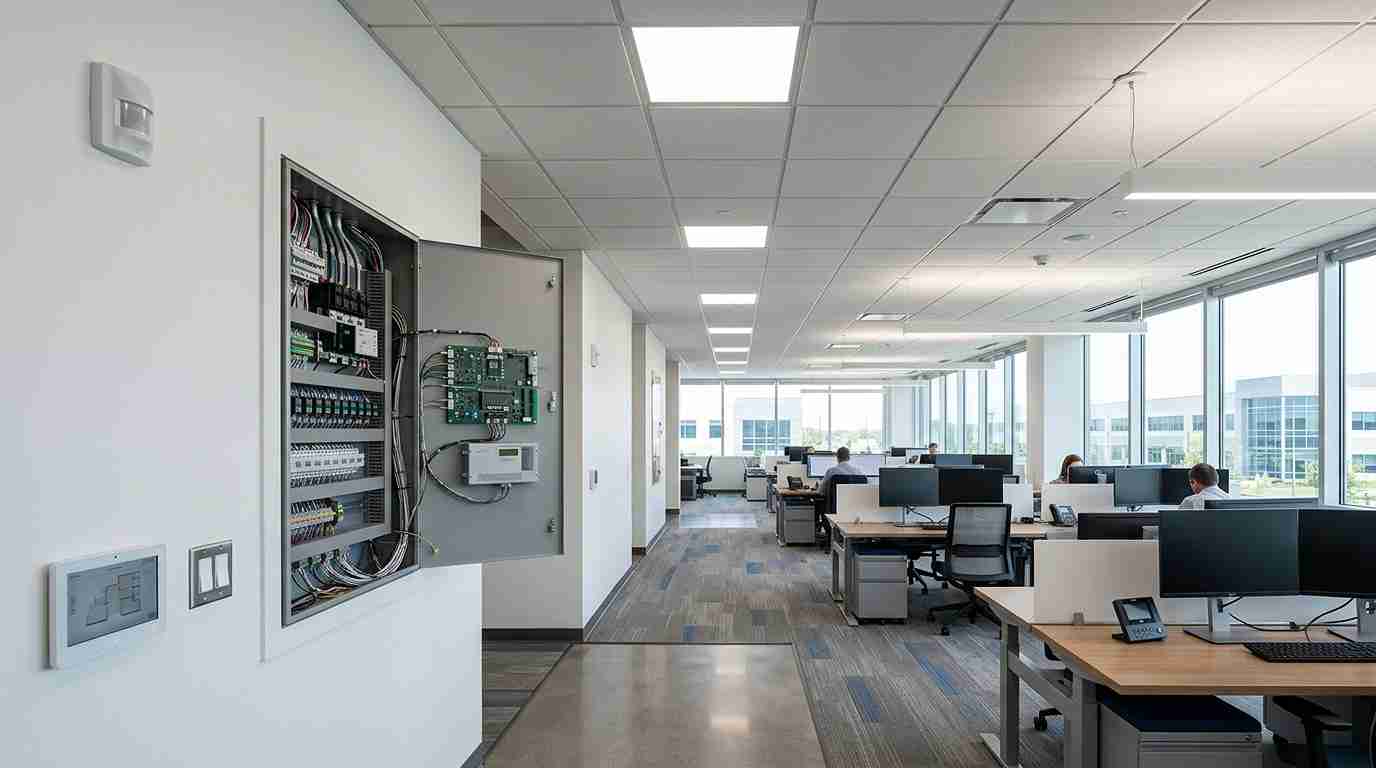
For larger renovations and expansions, design-build electrical projects can help coordinate electrical planning with the broader construction process. Depending on the project, the scope may include added circuits, panel or distribution changes, lighting modifications, equipment connections, or other electrical work. Early planning can help identify what the project actually needs before construction is underway.
For leased commercial spaces, tenant upfit electrical services can provide a more specific path for renovation and build-out work.
What a Commercial Electrical Assessment Should Consider
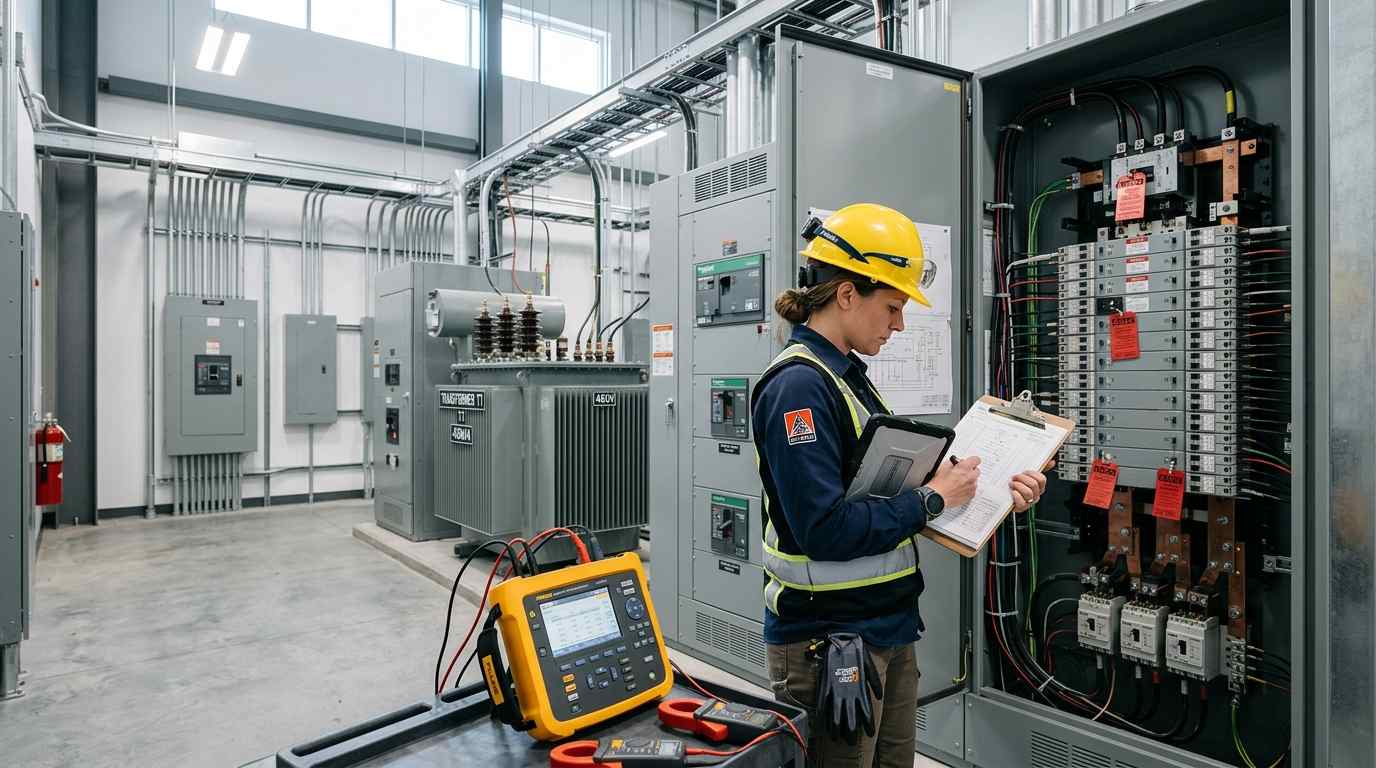
A commercial electrical assessment should look at the problem or project in the context of the facility, not as an isolated symptom. Relevant factors can include current electrical demand, available capacity, the affected equipment or areas, the existing distribution path, the condition of related components, and any recent changes to the building or its operations.
Future plans matter too. A facility that is adding equipment, expanding production, renovating tenant space, or changing how rooms are used may need to account for loads that are not present today. The exact evaluation depends on the site and the scope of the project. Those findings help determine whether the next step is maintenance, repair, added circuits, equipment-related electrical work, or a broader infrastructure upgrade.
Common Upgrade Paths at a High Level
If an assessment shows that infrastructure changes are appropriate, the scope can take several forms. Some projects may involve panel or service-capacity changes. Others may need additional circuits, revised equipment connections, lighting or control changes, or adjustments to the way power is distributed through the facility.
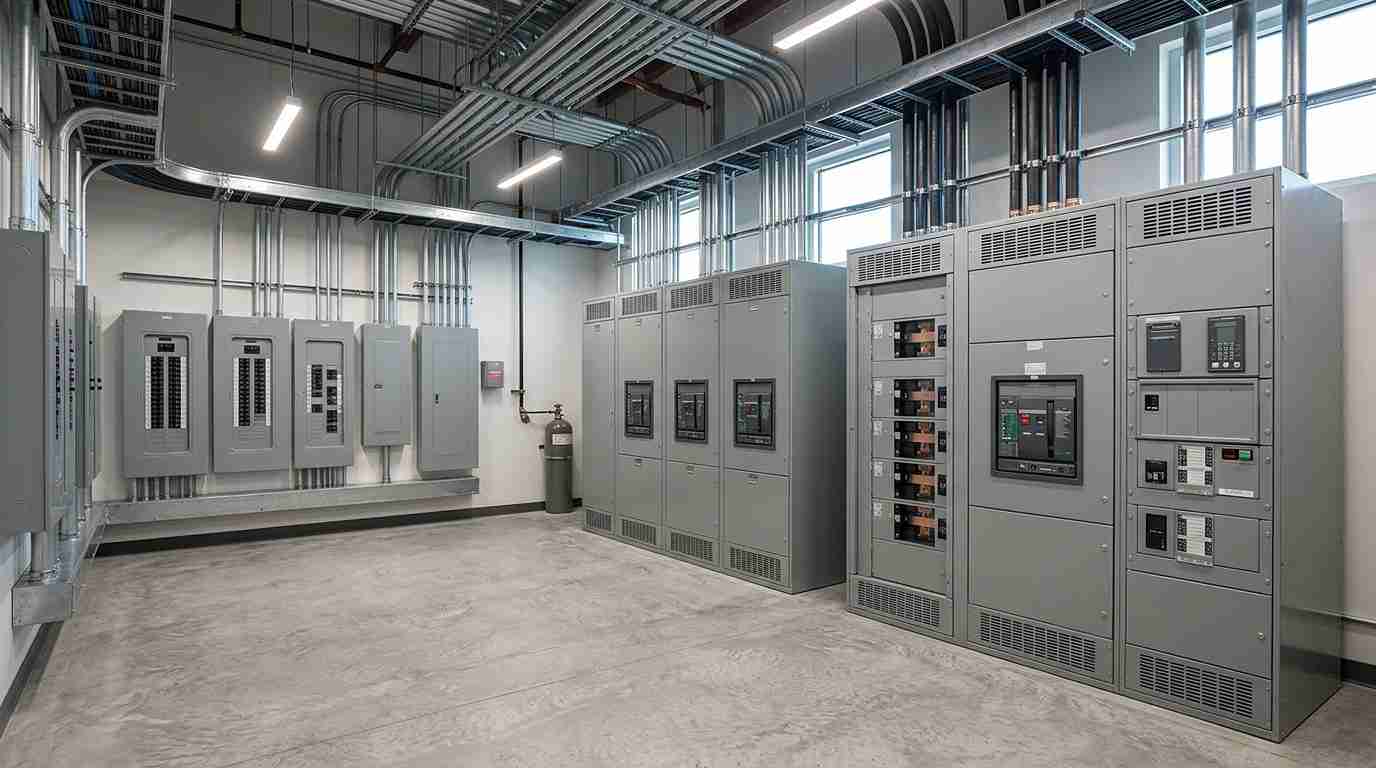
Larger projects may involve broader distribution changes when the existing electrical infrastructure no longer fits the facility’s capacity, layout, or expansion plans. These categories are starting points, not a diagnosis. The right scope depends on the existing system, the planned loads, site conditions, and applicable project requirements. A commercial panel upgrade or power distribution upgrade should only be recommended after those factors are reviewed.
When the Need Is Urgent vs. Planned
Many electrical upgrades are planned around business growth, renovations, equipment additions, or known capacity needs. Those situations usually give the project team time to review the existing system, define the scope, and coordinate the work with the larger project.
Other conditions may require more immediate attention. Loss of power, burning odors, unusual heat, or visible electrical damage can justify prompt professional evaluation. If it is safe to do so, stop using the affected equipment or area and contact a qualified electrical professional. Do not open panels, test energized equipment, or attempt to diagnose live electrical components yourself.
Plan the Next Step Before the Problem Grows
If your facility is dealing with recurring electrical issues or preparing for new loads, a professional assessment can help clarify whether the right next step is maintenance, repair, or an upgrade.
When you request a quote, share the facility type, the symptoms or project change you are dealing with, any equipment being added, and any plans or photos you already have. You do not need to diagnose the problem before reaching out. The goal is to give the electrical team enough context to understand what needs to be evaluated.