There is a big difference between maintaining an electrical system on a planned basis and reacting after something has already gone wrong. Preventive electrical maintenance gives facility teams a structured way to inspect equipment, document conditions, address smaller issues, and plan follow-up work before problems become more disruptive.
The right maintenance scope is not the same for every building. It depends on the equipment, how the facility operates, environmental conditions, manufacturer guidance, previous findings, and applicable requirements. For facility managers, the goal is practical visibility: understand what needs attention, what can be monitored, and what should move into a repair or upgrade plan.
For service information, see commercial electrical maintenance.
Preventive vs. Reactive Electrical Maintenance
Reactive maintenance starts after a fault, failure, or operational problem has already appeared. A breaker may keep tripping, part of a facility may lose power, or equipment may stop operating as expected. At that point, the work is driven by the immediate problem, which can leave the facility with less flexibility around timing, access, and budgeting.
Preventive maintenance is planned around condition, risk, and the needs of the facility. It gives teams a chance to review electrical equipment before a problem forces the issue. Most commercial facilities will still need reactive repairs from time to time, but planned maintenance creates better visibility.
When previous findings, recurring concerns, and equipment condition are documented, facility teams can make more informed decisions about what to monitor, what to correct, and what to budget for next.
What Preventive Electrical Maintenance Can Include
A useful maintenance program is built around the equipment and operating conditions at the site. The exact scope varies, but commercial electrical maintenance can include several broad categories of work.
Condition Inspections
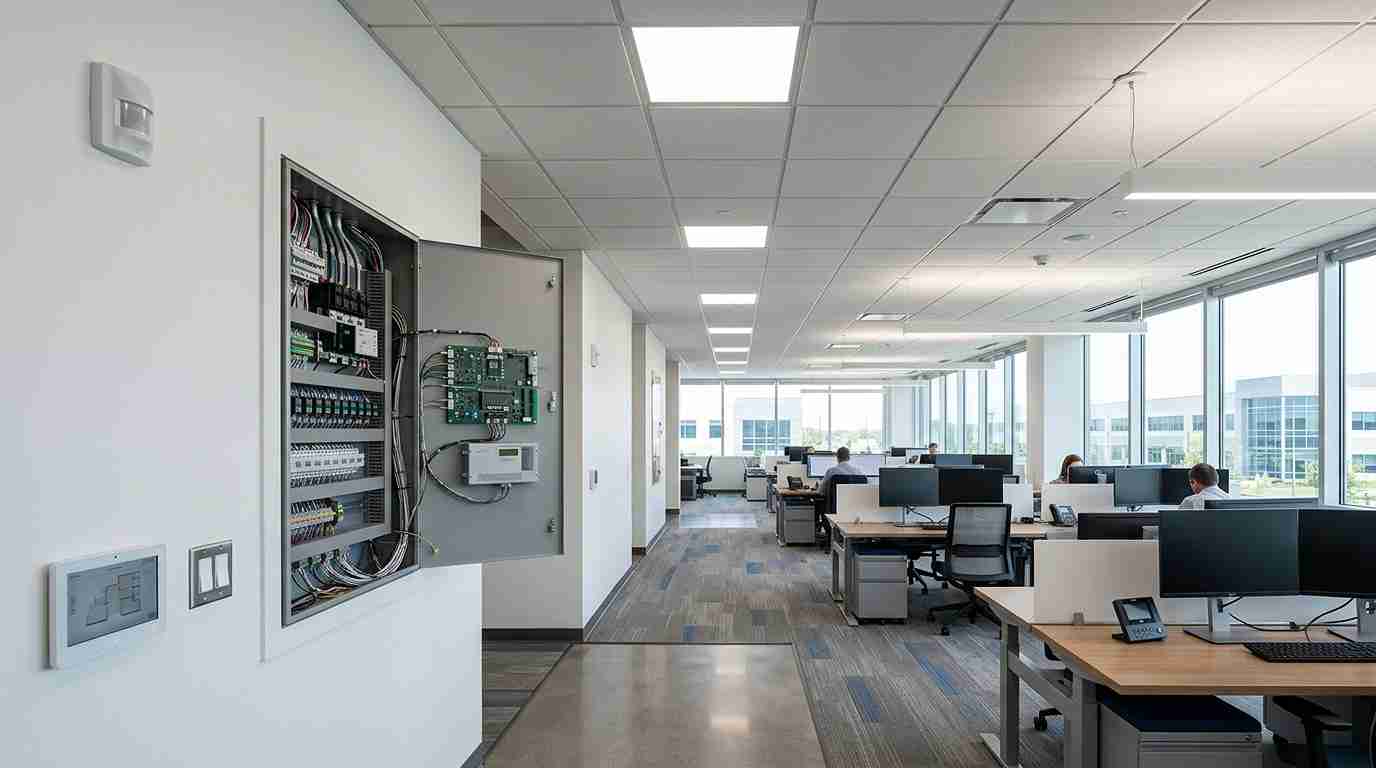
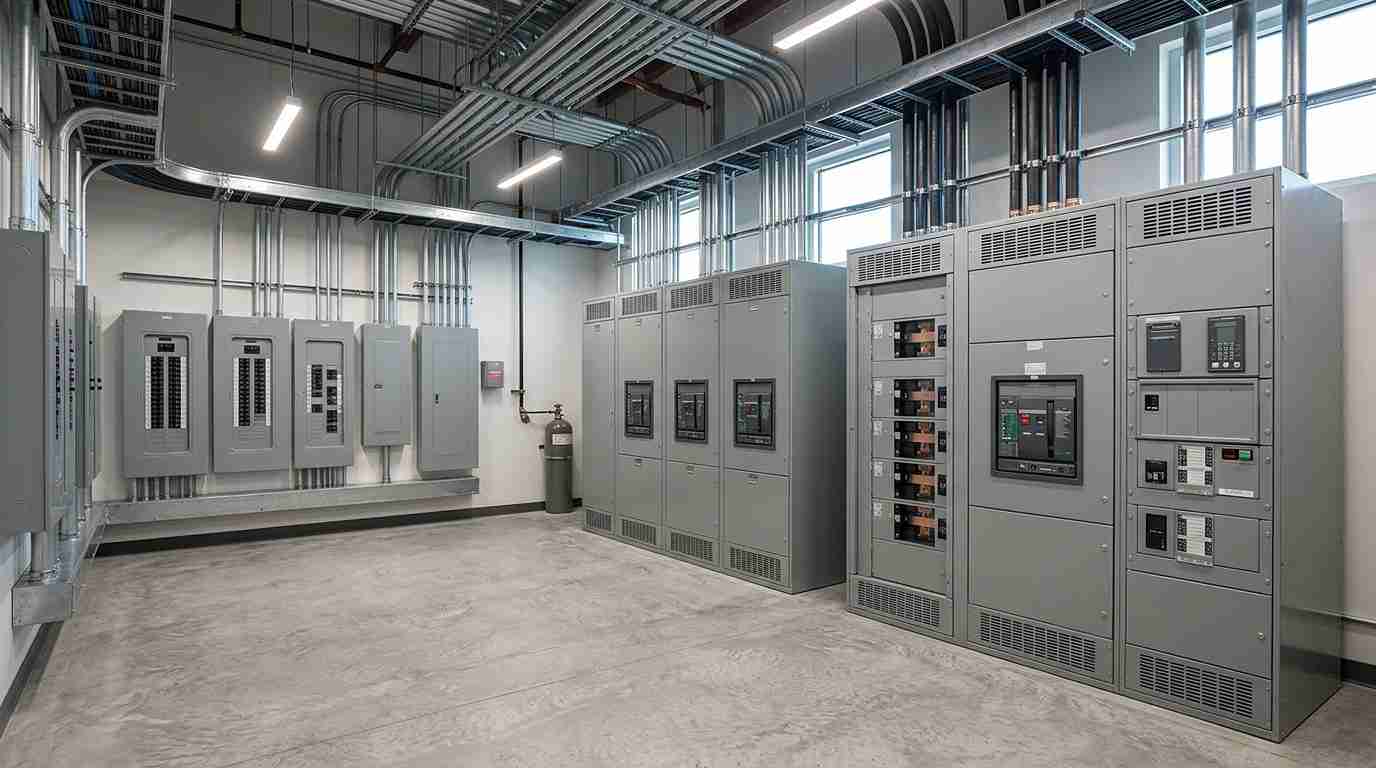
Condition inspections can include a visual review of panels, breakers, wiring, outlets, switches, and distribution components where they are part of the agreed scope. The purpose is to document visible condition, damage, wear, or other concerns that may deserve follow-up. Over time, consistent records can also help facility teams compare changes from one visit to the next.
Testing and System Evaluation
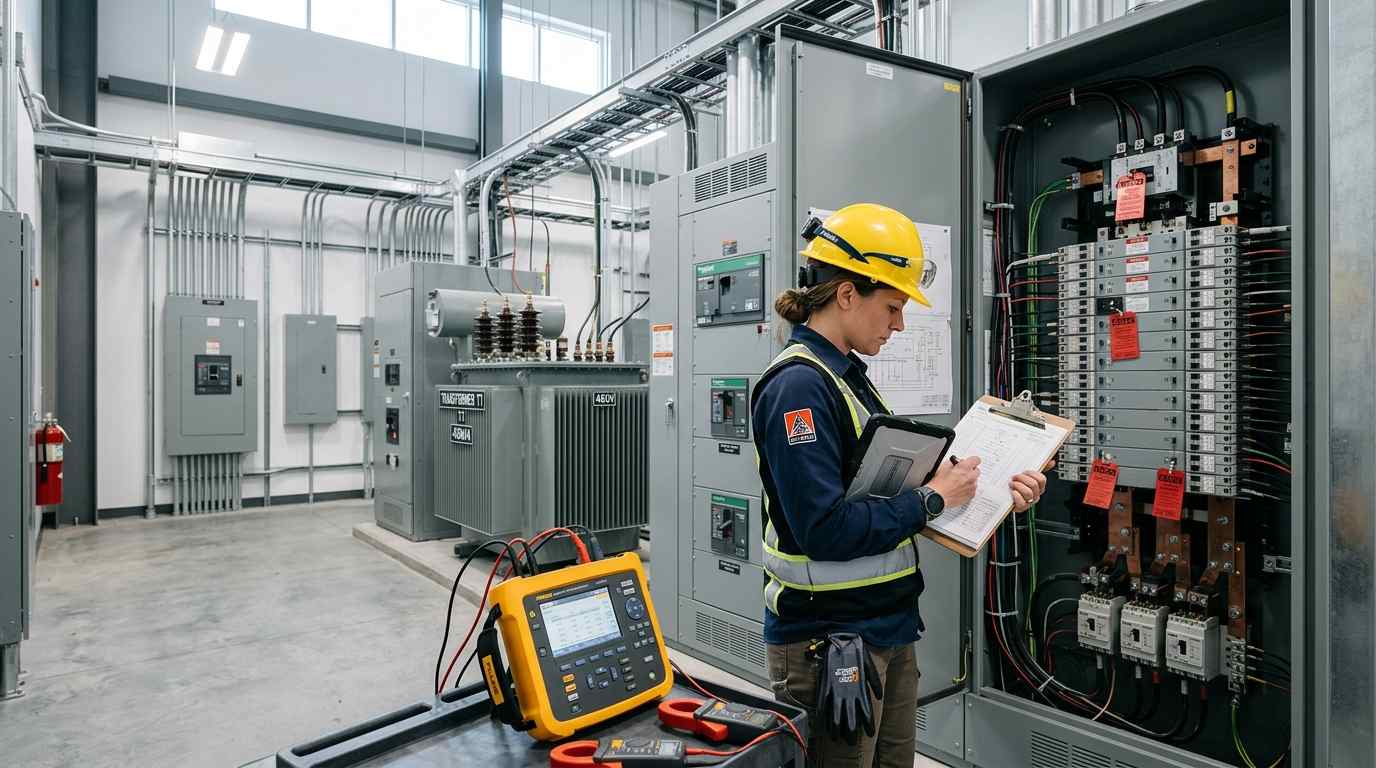
Testing can help identify abnormal conditions or performance issues that may not be obvious from a visual inspection alone. There is no single test list that applies to every building. The appropriate testing depends on the equipment, the maintenance scope, and the conditions being reviewed. Where included, system evaluation can help place individual findings in the context of how the facility actually operates.
Corrective Work and Follow-Up
Maintenance may uncover smaller items that can be corrected within the approved scope, such as minor repairs or adjustments. Larger deficiencies should be documented and treated as a separate repair or upgrade decision. That gives the facility team a chance to review the priority, scope, cost, and operational impact before moving forward.
Maintenance Reporting
Electrical maintenance reporting should capture what was reviewed, what was found, what work was completed, and what needs follow-up. A useful record gives facility teams something concrete to use for budgeting, scheduling, and tracking conditions over time instead of relying on memory from the last service visit.
Warning Signs to Prioritize
Some electrical symptoms should not wait for the next routine maintenance visit. Repeated breaker trips, flickering or dimming lights, burning odors, visible damage, or unusual changes in how equipment operates are all reasons to request professional evaluation. These symptoms can have several causes, so the goal is not to diagnose the problem from the symptom alone.
Do not open panels or troubleshoot energized equipment yourself. If there is smoke or an active fire, contact emergency services. For burning odors, visible damage, or other concerning electrical conditions, keep people away from the affected area and contact a qualified electrical professional. When it is safe to do so, noting when the symptom occurs and what equipment was operating can provide useful context for the service team.
Build a Facility-Specific Maintenance Plan
Maintenance frequency and scope should reflect the facility, not an arbitrary calendar rule. Factors can include equipment type, operating environment, duty and load, equipment condition, manufacturer guidance, previous findings, business criticality, and applicable requirements. A server room, a production area, and a small retail space may have very different priorities even if all three are commercial facilities.
NFPA 70B provides industry context for electrical equipment maintenance, but it should not be treated as a one-size-fits-all schedule for every facility. The actual maintenance plan still needs to reflect the equipment, conditions, and operational needs at the site. See NFPA 70B and the electrical cycle of safety for additional industry context.
Facilities with production equipment or more complex industrial electrical needs may also want to review industrial electrical services.
Turn Findings Into Repair Priorities
Maintenance findings are most useful when they lead to a clear next step. A practical decision path may be to document and monitor acceptable conditions, address minor corrective work where appropriate, create a repair scope for active deficiencies, and plan an upgrade when equipment condition, capacity, recurring issues, or changing facility needs justify broader work.
Photos, descriptions, and previous maintenance records can provide useful context, but final repair or upgrade recommendations should be based on the actual electrical conditions and project scope. The point of preventive maintenance is not to turn every finding into a project. It is to help facility teams distinguish between items that can be monitored, items that need corrective attention, and larger needs that should be planned and budgeted separately.
What Maintenance Reports Should Tell You
The value of a maintenance report is not its format. It is whether the report clearly explains what was inspected or tested, what was found, what was corrected, what still needs follow-up, and how the findings should be prioritized. For larger repair or upgrade needs, the report should also make it easier to understand what information is needed to define the next scope of work.
Clear reporting gives facility teams a working record for budgeting, scheduling, and comparing conditions over time. Before maintenance work begins, it is worth asking what type of findings and recommendations will be documented so everyone has the same expectations.
Build a Preventive Maintenance Plan for Your Facility
If your facility needs a more structured approach to electrical maintenance, start with the basics: facility type, operating constraints, known electrical concerns, critical equipment or areas, and any previous maintenance records you have available. That information can help define a sensible starting scope without assuming every building needs the same schedule or service plan.
Learn more about commercial electrical maintenance or Request a Free Quote to discuss your facility.