Lighting affects visibility, comfort, safety, maintenance workload, and operating costs. The right upgrade depends on the existing system and how each space is used. LED luminaires and lighting controls are common tools for improving efficiency, and the U.S. Department of Energy’s Federal Energy Management Program (FEMP) lists commercial LED luminaires as an energy-efficient lighting category.
This guide walks through the decisions that matter most, from retrofit versus replacement to controls and savings factors, so you know what to gather before asking for a proposal from our commercial lighting services team. Use these considerations to evaluate your facility’s current lighting system and make informed decisions about an appropriate commercial lighting upgrade.
Start With the Space, Not the Fixture
Before comparing products, start by evaluating how each area is used, the lighting issues currently affecting the space, operating hours, visibility requirements, mounting conditions, and whether the layout is likely to change.
An office may need comfortable, even light with little glare. A retail floor may need light that shows products well and can be adjusted by zone. A warehouse often needs strong visibility at height, matched to how aisles are actually used. An exterior lot needs reliable coverage after dark from fixtures that handle weather exposure.
Starting with these details keeps the project focused on real needs, not a fixture list.
LED Retrofit vs. New Lighting System
A retrofit updates existing fixtures or components, while a new lighting system replaces or reconfigures the layout. Neither is automatically better. Retrofit isn’t always cheaper, and replacement isn’t always worth the added scope.
These factors help decide:
- Fixture condition: Damaged, outdated, or hard-to-service fixtures may not be worth keeping.
- Light distribution: Existing fixtures may place light poorly for how the space is used today.
- Controls: Some setups support sensors and dimming easily, while others need more changes.
- Layout changes: Moving walls, racking, or work areas may make a new lighting layout or full fixture replacement more appropriate.
- Maintenance burden: Hard-to-reach fixtures make service frequency a bigger concern.
- Project goals: Appearance, visibility, and operating cost can point in different directions.
An LED lighting retrofit can work well when the fixtures and layout still suit the space. A broader commercial lighting upgrade makes more sense when coverage, layout, or controls need real changes. A site review can help sort out which path fits your facility.
Lighting Controls Can Matter as Much as the Fixtures
Efficient fixtures can still use unnecessary energy when lights remain on in unoccupied or adequately daylit areas. Lighting controls address that by making light respond to how a space is used. Common options include:
- Occupancy sensors: Turn lights on when someone is present and off after the space empties.
- Timers and scheduling: Match lighting to business hours or set operating patterns.
- Dimming: Lowers light levels when full output is not needed.
- Daylight-responsive controls: Adjust electric lighting where natural light is available.
Used where appropriate, these tools can reduce unnecessary operating hours and make lighting more responsive to use. The U.S. Department of Energy’s FEMP guidance states that LED luminaires are compatible with many control strategies and systems, including occupancy sensors, task tuning, and dimming. That is general industry context, not a requirement for private businesses. The appropriate control strategy depends on the space, its operating patterns, and the project objectives, since a rarely used storage room and a busy open office call for very different strategies.
Match the Lighting Strategy to the Application
Offices & Professional Spaces
Offices benefit from comfortable, consistent illumination that supports screen and paper tasks. Glare control matters, as does even coverage across work areas. Controls such as dimming and scheduling can help in conference rooms, private offices, and other spaces that are not in constant use.
Retail & Customer-Facing Spaces
Retail lighting shapes how products and the space appear to customers. Zoning lets different areas be lit for different purposes, and operating hours influence how schedules and controls should be set. Consistent brightness across displays helps the space look as intended. The goal is to protect visibility and appearance while still improving efficiency.
Warehouses & High-Bay Areas
Warehouses need reliable visibility across large open areas, often at significant mounting heights. Clear, consistent lighting helps improve visibility around aisles, equipment, and open work areas. Occupancy patterns vary by aisle and shift, so controls can be useful. Maintenance access deserves early attention, since fixtures mounted high are harder to service.
Exterior, Parking & Security Lighting
Outdoor lighting should provide useful visibility and coverage for parking areas, walkways, entrances, building exteriors, and other areas used after dark. Schedules and controls can align operation with when the site is in use. Fixtures also need to suit the weather and exposure conditions at the location.
What Actually Determines Energy and Cost Savings?
Savings depend on project details, not on one figure that applies everywhere. The main variables are:
- Existing system: The wattage and efficiency of what is installed today.
- Operating hours: How long the lights run each day.
- Controls strategy: How sensors, schedules, and dimming affect the hours lights run at full output.
- Utility rate: What the facility pays for electricity.
- Fixture quantity: The number of fixtures included in the project.
- Maintenance frequency: How often lamps, drivers, or fixtures are serviced now.
- Project cost: The total investment, including any electrical work involved.
Because these inputs differ from one facility to the next, actual savings and payback require project-specific information. That is why this guide does not offer a universal percentage or payback period. Gathering these details first makes proposals easier to compare and expectations easier to set.
Plan the Upgrade Around the Existing Electrical System
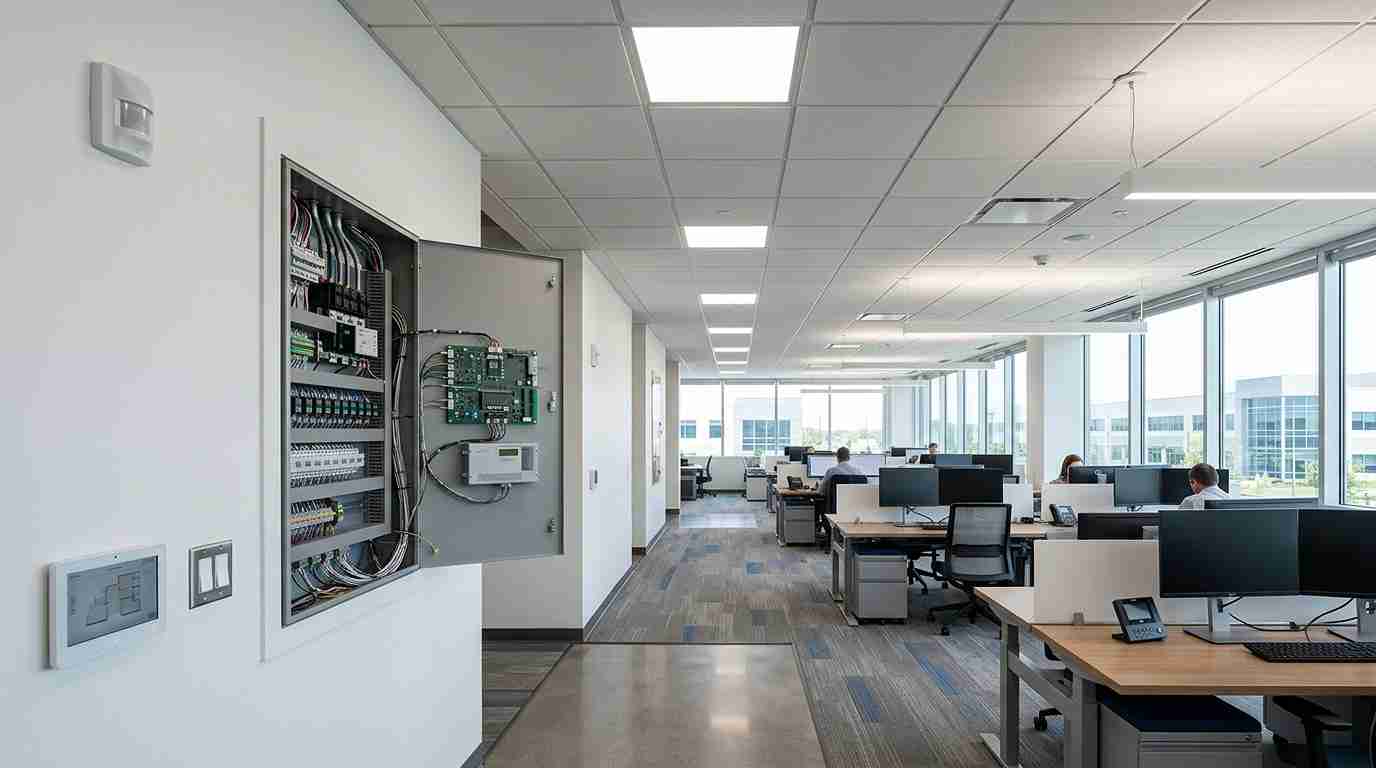
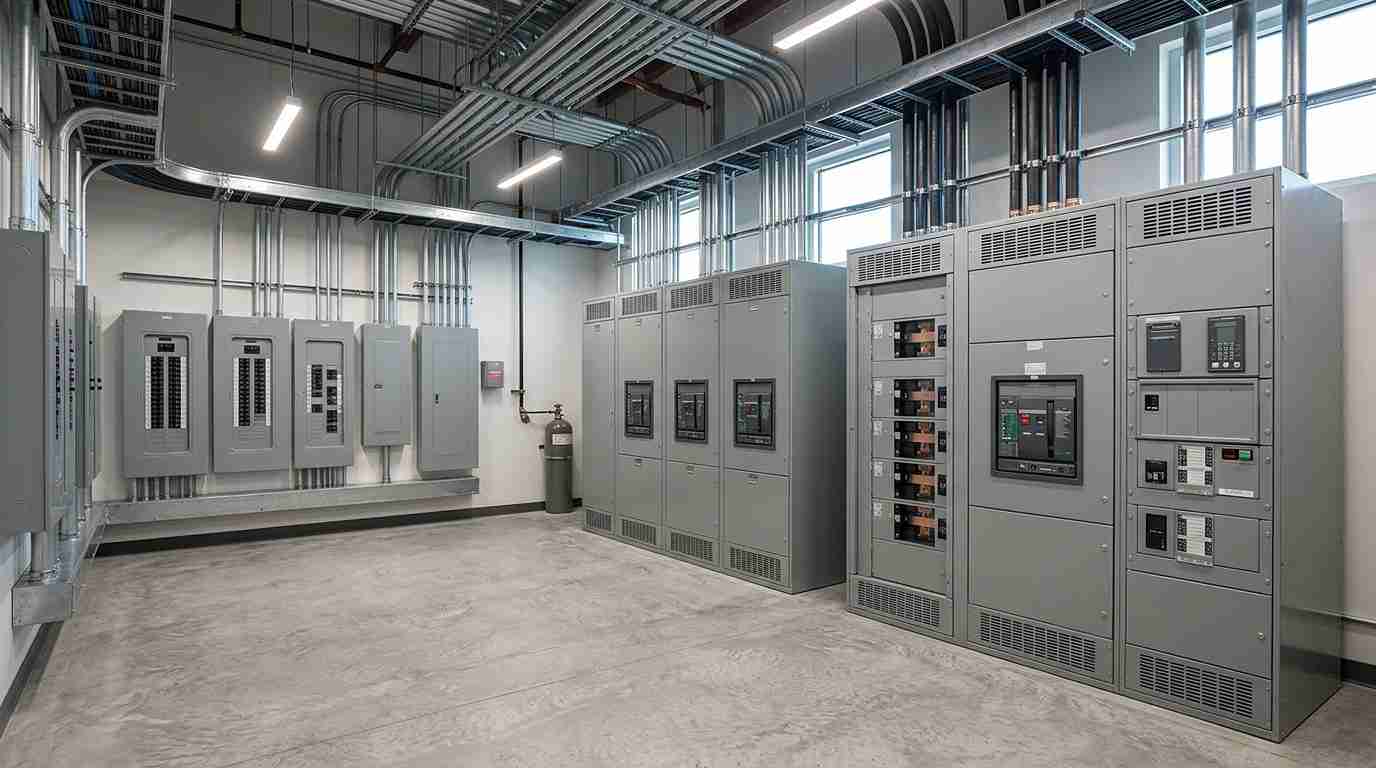
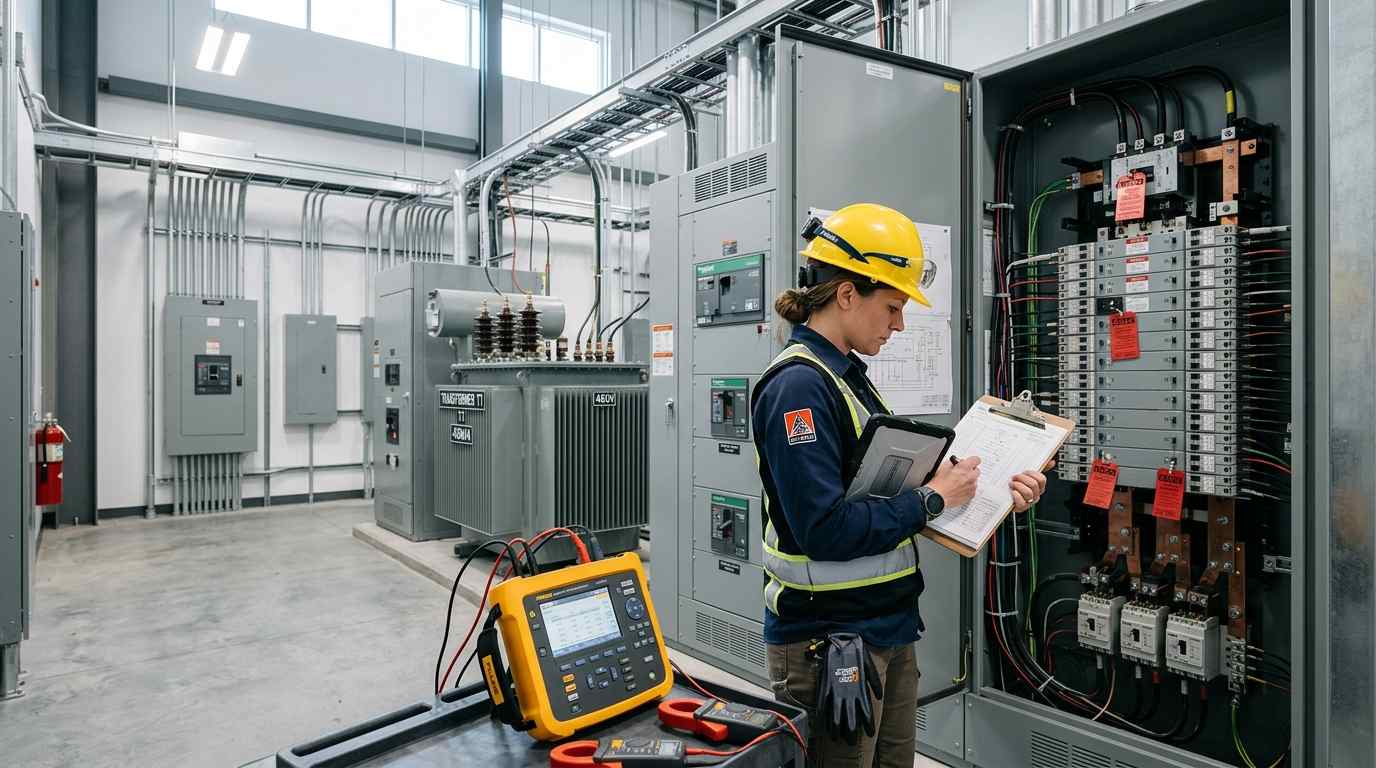
Lighting work rarely happens in isolation. A project may involve existing circuits, control compatibility, fixture fit, ceiling or site conditions, access, and how the work is phased around daily operations. A phased plan can also help a facility keep areas in use while work moves forward. Reviewing these early helps avoid surprises later.
Renovation projects add another layer. If lighting changes are part of a larger build-out, our tenant upfit electrical services may be relevant. For new buildings, see our commercial electrical construction page. In either case, planning lighting alongside the electrical system helps keep layout, controls, and installation aligned.
Get a Commercial Lighting Recommendation
Ready to talk through your options? Share your facility type, current lighting concerns, the areas you want to upgrade, typical operating hours, and any renovation plans. That information helps shape a recommendation that fits your space and your goals for energy-efficient business lighting. A preliminary assessment does not require finalized specifications; facility details, operating hours, and current lighting concerns provide a useful starting point for the recommendation.
Explore our commercial lighting services or Request a Free Quote to get started.